Texas Just Rewrote High School History. Nothing Reaches a Classroom Until 2030.
The State Board of Education spent this week rewriting what Texas teenagers will learn in history and government. The fight over the wording is loud, it is national, and it is not the part that decides what happens in your child's classroom.
Here is the sequence, because it matters. The board met from Monday, August 31 through Friday, September 4. On Monday and Tuesday it gave preliminary approval to new standards for four high school courses — United States History, United States Government, World History and World Geography. Final votes were set for Friday.
Those four courses have their own history. In June the board adopted the new K-8 social studies standards and then pulled these four out of the package to be handled separately, which is why they are only being settled now. In the state's own rulebook they are §113.24, §113.25, §113.27 and §113.28 of Chapter 113. Adoption requires a two-thirds vote, and the rules take effect twenty days after they are filed with the Texas Register.
The Date Nobody Put in a Headline
Schools begin phasing in the new standards in the 2030-31 school year.
Read that again. A board seated in 2026 has written the standards for a classroom five years out. Between the vote and the first lesson there are two more State Board of Education election cycles. Members who voted this week may not be on the board when the first student opens the first textbook written to these rules.
That is not a scandal. Curriculum revisions are slow by design — publishers need lead time, districts need to budget, teachers need retraining. But it does mean something specific: the announcement and the outcome are five years apart, and almost nobody is going to be watching the gap.
Standards Are Not Curriculum
This is the distinction that will trip up most parents reading about this week, and the board itself said so out loud. Chairman Aaron Kinsey (R-District 15) put it plainly: the board should be "pretty agnostic" to specific curricula and focus on standards.
He is describing how the system actually works. The state sets what must be covered. Your district decides what book, what worksheet, what teacher, what emphasis. Two districts working from identical state standards can produce classrooms that look nothing alike.
So a headline saying Texas changed its history standards is true and tells you almost nothing about your own school.
The Detail That Proves the Point
The clearest example came from the same meeting, in a different course. The board also took up Applied Personal Financial Literacy — a new half-credit course the Legislature required in House Bill 27.
Back in June, the board rejected one particular personal-finance curriculum, the Next Gen Personal Finance materials, over a unit dealing with racial discrimination in finance and reparations. A win, if you opposed that material.
Except, as board member Julie Pickren (R-District 7) noted, districts may still purchase it independently.
That is the whole lesson in one sentence. The state board said no. The state board's no does not reach the purchase order. Whether that curriculum lands in a Texas classroom this year is decided by a school district, not by the fifteen people who took the vote everyone reported on.
Who Is Assigned To Check
We have said before on this site that a law with no enforcement mechanism is a press release with better formatting. The same is true of a standard. A standard is a requirement on paper until somebody compares it to what is being taught and reports the difference.
So the useful questions are not about the wording that passed in Austin. They are these, and they are answerable at the local level:
Which social studies materials has your district adopted, and when does that contract come up for renewal? What did your district's own instructional-materials review conclude? When is the next school board meeting where materials are on the agenda? And who, by name and title, is responsible for confirming the adopted materials match the state standards?
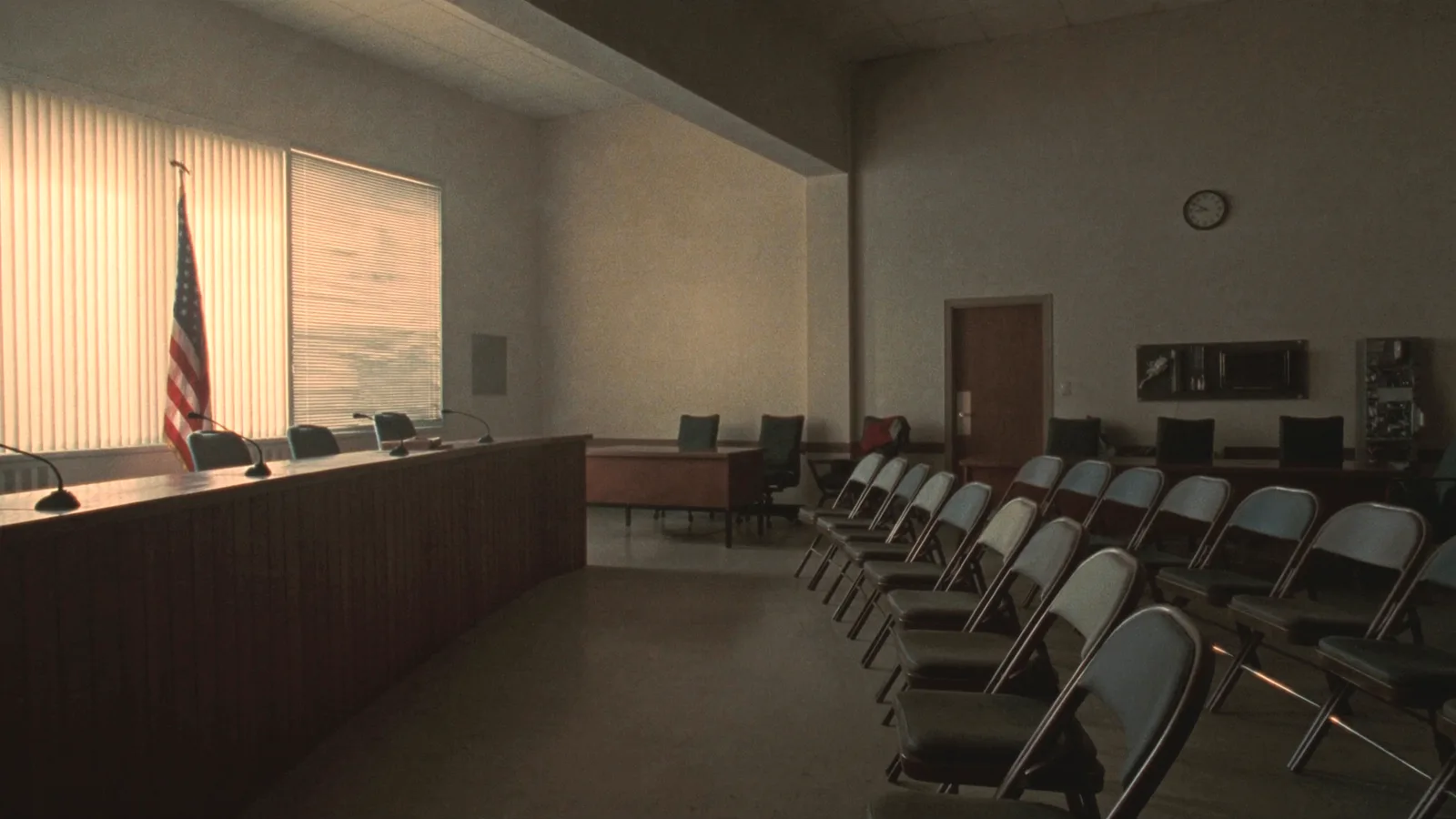
Those answers exist. They are usually public. They are almost never in the news, because a Tuesday-night board meeting with eleven people in the room does not generate coverage — and that is exactly why it is where decisions survive.
What This Site Will Do
We are going to track the gap. Not the press releases — the implementation. Which districts adopt what, on what date, and whether the classroom matches the standard by the time the standard is real.
Five years is long enough for everyone to stop paying attention. That is usually the point.
Hold The Scoreboard
We track what changed after a bill passed — not what was announced. Send us the outcome you can document.